Operating context
Signals, knowledge and decisions move through a controlled journey built around Debt Collection operations. Each point represents a person, trusted information, a business rule or a connected system contributing current context.

Connect ANNA, SAM Digital Employees and collection teams across voice, chat, SMS, email, self-service payments, promises to pay, collector guidance and controlled case workflows.
Discuss Debt Collection

Signals, knowledge and decisions move through a controlled journey built around Debt Collection operations. Each point represents a person, trusted information, a business rule or a connected system contributing current context.
AI assistance and human judgement stay connected as each interaction progresses. Intelligence supports understanding and action while explicit controls preserve confirmation, authority and escalation.
Industry workflows carry their own language, expectations and decision points. AIIT starts with those operating realities, mapping where automation can make access simpler and where specialist judgement, policy checks or sensitive handling must remain central.
For Debt Collection, the first step is to define the journey in operational terms. AIIT identifies the questions people ask, the information required, the systems involved and the moments where confidence or authority changes. This creates a bounded design that teams can review before automation is introduced.
The experience can then combine Omnichannel inbound and approved outbound contact, Right-party verification and customer preference controls, Promise-to-pay, arrangement and secure payment journeys. Approved knowledge provides grounding, workflow rules preserve required steps, and integration points connect the conversation to current business context. If the request becomes uncertain, sensitive or exceptional, the interaction can pass to a person with the relevant history attached.
Implementation should progress in observable stages. A focused first journey gives stakeholders space to test language, decision boundaries, handovers and operational ownership. Feedback from real use can inform measured refinement without turning the system into an uncontrolled collection of disconnected responses.
The potential value is practical: Extend private self-service beyond office hours; Give collectors complete context and approved guidance; Route hardship, disputes and exceptions to trained people; Automate repetitive work with customer protections preserved. The exact result depends on the organisation, its source information and the process being improved, so AIIT keeps discovery centred on the work itself rather than making assumptions about outcomes.
Operating ownership continues after launch. Source information needs responsible owners, journey changes need review and service teams need a clear way to report unexpected behaviour. These routines help the capability stay connected to current business practice rather than becoming a static layer around a changing process.
AIIT brings operational and technical perspectives into the same conversation. This helps teams evaluate not only whether a journey can be automated, but whether it can be supported, governed and improved with confidence over time.
AIIT combines respectful customer conversations, collector assistance and governed workflow automation. Each programme follows the creditor’s policies, customer protections, approved options and human decision points.
Support pre-due, early-stage and overdue accounts with consistent reminders, self-service and appropriate pathways before balances deteriorate.
Coordinate right-party contact, promises to pay, approved arrangements, payment capture and disposition across portfolios and client programmes.
Operate high-volume portfolios with segmented outreach, controlled treatment paths, measurable outcomes and clear exception queues.
Assist with permitted reminders, document intake and case administration while legal judgement and consequential action remain with authorised professionals.
Give BPO teams one platform for customer automation, real-time collector assistance, quality review and workflow orchestration.
The same operating layer can be configured for different debt types without forcing every customer into one script. Account context, permitted actions and specialist queues shape each journey.
ANNA can respond privately after hours, verify the customer before sharing account information, understand the reason for contact and present only approved options. A specialist joins with the full context whenever the situation needs human care or authority.
Customer “Hi ANNA, I received a message about my overdue account.”
ANNA “I can help. I’ll first confirm your identity before discussing any details.”
Customer “I cannot make the full payment this week.”
ANNA “Thank you for telling me. I can explain the approved options available on this account, or connect you with our support team if your circumstances require a tailored assessment.”
Support inbound and approved outbound contact, routine customer service, right-party verification, commitments, payment journeys and warm transfer without losing context.
Natural inbound and outbound conversations
Private self-service and live handover
Two-way reminders, replies and secure links
Context-aware messages and attachment handling
Every action is bounded by approved business rules, channel permissions and system access. The platform records the journey and directs exceptions to the appropriate person.
Apply identity checkpoints before account information is discussed and record contact preferences appropriately.
Record amount, date and agreed terms, then issue a written confirmation through an approved channel.
Offer secure payment links, payment-on-file journeys or compliant payment IVR where supported by the organisation’s provider.
Present only institution-approved options and refer anything outside defined boundaries to an authorised person.
Resolve suitable balance, status, receipt and routine service enquiries without occupying a specialist queue.
Track due dates and commitments, trigger reminders and create tasks when a payment or response is missed.
Extract payment, settlement and commitment details and route disputes, complaints and partner correspondence.
Apply organisation-defined checks across interactions and surface selected contacts for human assessment.
Live assistance brings together the conversation, approved knowledge, account context, required process and follow-up. It reduces searching and administration while leaving negotiation and judgement with the employee.
Capture the live interaction in the background so assistance follows the actual conversation.
Create a searchable, multi-turn transcript for approved quality, support and recordkeeping purposes.
Suggest the next approved question, explanation or resolution path without taking control away from the collector.
Retrieve answers from policies, client instructions, procedures and controlled knowledge sources.
Recognise conversational signals that may warrant a slower pace, extra care or specialist handover.
Display required steps, disclosures and jurisdiction- or programme-specific checklists at the right moment.
Prepare summaries, dispositions, commitments and follow-up tasks for review before saving.
Identify selected phrases, missed steps or emerging risks and route the interaction for review.
Offer a complete workspace or a compact assistance view to suit different collector workflows.
Extend approved transcription, knowledge and summary support to common online meeting environments.
Help suitable interactions move across supported languages while retaining the original record.
Extract and summarise information from correspondence, forms, spreadsheets and supporting documents.
SAM Digital Employees extract commitments and case details, coordinate tasks, request approvals, update permitted systems and maintain the follow-up trail.
Identify intent, account stage, urgency, dispute, vulnerability and the next permissible action.
Send hardship, complaint, dispute, legal and other exceptions to the right specialist with full context.
Complete approved reminders, commitments, payments and follow-up while recording each outcome.
AIIT connects the customer experience to the people, knowledge and systems behind it, rather than leaving an isolated bot at the edge of the operation.
ANNA handles natural voice, chat, SMS and email interactions across inbound service and approved outbound campaigns.
Collectors receive live knowledge, prompts, translations, summaries and next-step guidance in one role-aware view.
SAM Digital Employees coordinate triage, routing, system actions, approvals, reporting and follow-up.
Answers are grounded in access-controlled policies, client instructions, procedures and account context.
Teams can examine outcomes, contact paths, handovers, unresolved work and quality signals across channels.
Approved integrations can link contact-centre, collections, CRM, payments, identity, document and reporting systems.
Collections management · Dialler and telephony · Contact-centre platforms · CRM · Payment services · Identity and verification · Email and document systems · Reporting and analytics
Contact-time windows, frequency controls, identity checks, approved language, consent preferences, hardship cues, complaint handling and escalation rules are designed for the actual organisation and jurisdiction.
AIIT does not represent technology as legal approval or guarantee compliance. Policies require accountable ownership, legal review where appropriate, monitoring and trained human decision-makers.
Use identity controls, discreet channel choices and language designed for sensitive financial conversations.
Carry verified context between voice, chat, SMS, email and a human collector so the customer does not restart.
Configure portfolio stages, client instructions, contact rules, dispositions and specialist queues around real operations.
Measure the institution’s chosen service, contact, commitment, payment, handover and quality outcomes without promising a result.
Keep hardship, vulnerability, disputes, complaints, unusual negotiation and legal decisions with trained people.
Test scripts, knowledge, integrations, action limits and escalation conditions before progressively widening scope.
Yes, when each journey is designed for the laws, consent requirements, contact rules, privacy obligations and internal policies that apply. AIIT maps those controls with the organisation; technology does not remove the organisation’s legal responsibilities.
ANNA can manage approved conversations across voice and digital channels while SAM Digital Employees verify context, capture commitments, initiate permitted payments, update systems and route exceptions.
No. It is intended to absorb repetitive contact and administration and to assist employees. People remain essential for hardship, vulnerability, complaints, disputes, unusual negotiation and consequential decisions.
Automation can extend availability and reduce repetitive work, but outcomes depend on portfolio mix, data quality, contact policy, channel permissions, integrations and customer circumstances. AIIT establishes a measured baseline rather than promising a percentage.
Where the organisation’s approved payment environment supports it, ANNA can send a secure link, guide a payment-on-file process or transfer to compliant payment IVR without exposing payment details to the conversational layer.
Configured language and account signals can trigger a protected workflow, pause unsuitable automation and transfer the matter to a trained person with the conversation and account context.
Suitable journeys can support multilingual voice and digital service. Language coverage, translation controls and required human review are confirmed for each deployment.
AIIT can assess available connections to collections systems, diallers, CRM, contact-centre platforms, payment providers, identity services, document stores and reporting tools.
Choose a bounded journey such as early-stage reminders, inbound self-service, promise-to-pay follow-up, correspondence triage or collector assistance. AIIT will map its controls, integrations and measures.
Collections is one of the most repetitive, emotionally demanding and heavily regulated roles in any organisation. A Super Agent Model is a Digital Employee that can take on the volume: reminder calls, inbound payment enquiries, arrangement set-up and follow-up — on the phone, by SMS, email, WhatsApp and web chat — while applying your hardship, consent and disclosure rules on every single contact.
SAMs work at machine speed and never have a bad day. They verify identity the same way every time, never forget a mandatory statement, never raise their voice and never deviate from approved scripts. They are available after hours and on public holidays, which is often exactly when customers finally feel ready to deal with a debt privately and without judgement.
Your collectors stay responsible for complex negotiations, disputes, hardship assessments and vulnerable customers. The SAM makes sure they reach those conversations with full context and a clear summary.


Makes friendly pre-due and just-overdue calls and messages, offering easy ways to pay before accounts escalate.
Answers balance questions, takes secure payments and issues receipts at any hour.
Sets up affordable payment plans within the parameters you approve and confirms them in writing.
Contacts customers who miss an instalment, understands why and offers approved options.
Recognises signs of financial hardship or vulnerability and transfers the customer to a trained person with a summary.
Records disputes accurately, pauses activity where required and routes the file for review.
Confirms contact details and consent preferences so every future contact is lawful and welcome.
Listens alongside human collectors, surfaces account history and suggests compliant next steps in real time.
Contact is made through the customer's preferred channel at an appropriate time, with required disclosures delivered clearly.
Identity is confirmed before any account detail is discussed, and consent preferences are respected.
The SAM listens to the customer's situation, recognising stress, confusion or hardship cues.
It offers payment in full, an arrangement within approved limits or a referral to a specialist.
Agreed plans are confirmed by SMS or email with secure payment links and reminders.
Payments are tracked, gentle reminders sent, and missed instalments followed up automatically.
A SAM can perform almost any role in an organisation that happens on the phone or on the computer — with the speed of software and the manner of your best team member. These capabilities come standard with every Digital Employee AIIT deploys for debt collection.
Each SAM has a name, a personality, a natural voice, a defined role and access to the systems it needs — onboarded like a new team member, not installed like software.
SAMs speak with customers and also operate business applications: reading records, completing forms, updating systems and generating documents.
Structured tasks are completed in seconds, following your rules the same way every time, with validation checks and confidence thresholds that route uncertain cases to people.
No rosters, sick days or penalty rates. SAMs answer at 3am, on weekends, at Christmas and during unexpected surges.
A SAM can handle multiple simultaneous calls and chats, so customers are answered immediately instead of waiting in a queue.
Human-like speech with a Kiwi accent as standard, fast response times and clear audio on real phone numbers.
Voice, SMS, email, WhatsApp, Messenger, Instagram and web chat share one memory, so customers never repeat themselves.
SAMs remember previous interactions, pick up dropped conversations and recognise returning customers.
Tone, sentiment and stress cues are recognised, and SAMs adapt their language — or hand over to a person — when empathy matters most.
SAMs can be configured to converse in multiple languages, serving diverse New Zealand and international customers.
When a person is needed, the conversation transfers with a summary, so no customer has to start again.
Per-client data isolation, encryption, role-based permissions and complete audit trails of every action.
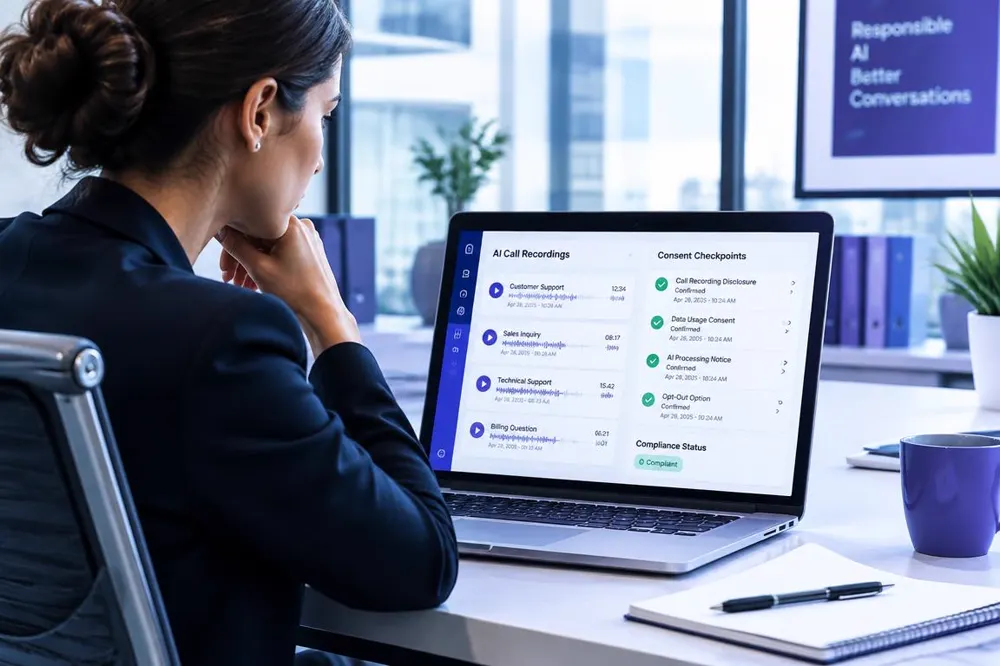
Every interaction is recorded, transcribed and summarised for quality assurance and compliance.
Performance is monitored, gaps identified and knowledge and processes updated across every SAM at once.
More than two-thirds of the hours in a year fall outside a standard working week. Add weekends, Matariki, Waitangi Day, Easter, ANZAC Day, Labour Weekend and the long Christmas break, and most organisations are effectively closed for much of the time their customers need them. SAM Digital Employees keep debt collection services running through all of it — answering, resolving, recording and preparing work so your team starts each day ahead rather than behind.
There are no overtime premiums, no rostering gaps and no drop in quality at 3am. Every after-hours contact receives the same careful, compliant handling as a mid-morning call, and anything that genuinely needs a person is escalated according to your on-call rules.


Responsible lending and fair-collection obligations require consistent behaviour across thousands of contacts. A SAM is configured with your approved scripts, contact-time windows, frequency limits and hardship triggers. It cannot improvise threats, misstate balances or contact customers outside permitted times. Every call is recorded and transcribed, and every outcome is written back to your collections platform with a timestamp.
That gives compliance teams something they rarely have: complete visibility. Instead of sampling a small percentage of calls, they can search and review every interaction, and prove that required statements were made.
Many customers avoid collection calls during the working day because they are at work or embarrassed to talk in front of others. SAMs change that. A customer can ring at 9pm on a Sunday or on ANZAC Day, speak to a calm, non-judgemental Digital Employee, and leave the call with an affordable plan in place. For many people the absence of a human on the other end actually reduces the stress of the conversation.
Because a SAM can hold many conversations simultaneously, portfolio campaigns that once took weeks can be completed in days. Early-stage outreach can be expanded to every eligible account, not just the ones your team has time to call. Collectors are freed to spend their time where human skill matters most: negotiation, empathy and resolving genuinely difficult situations.
Every SAM begins with discovery. We map the roles, conversations and computer tasks you want a Digital Employee to take on, the systems involved, the rules it must follow and the points where people must stay in control. We then design its persona, voice, knowledge and permissions, integrate it with your platforms, and test it against real scenarios before a controlled launch.
After go-live, AIIT monitors performance, reviews conversations, and continuously improves knowledge and workflows. Most organisations start with one high-volume use case, prove the value, then add further roles until SAMs become a natural part of the workforce. Outcomes vary with call volumes, processes and integrations, so we agree measurable goals with you up front and report against them openly.
Most automation in debt collection has been built as tools: a form here, a menu-driven phone system there, a chatbot answering a handful of FAQs. Each one handles a fragment of the work and pushes everything else back to people. A SAM is different because it is designed around a role rather than a feature. It is given a job description, the knowledge and systems access that job requires, the policies it must follow and the boundaries of its authority — exactly as you would onboard a new employee.
That shift matters. Instead of asking "which questions can the bot answer?", debt collection leaders can ask "which parts of this role can a Digital Employee take on completely, and where should a person step in?" The answer is often far more than expected: gathering information, checking it, updating systems, explaining next steps, sending confirmations and following up are all tasks a SAM can complete from start to finish.
On structured work, SAMs operate at a pace no human can match. Reading a forty-page document, comparing figures across several systems, filling in a multi-screen form or drafting a detailed summary takes seconds rather than minutes. Just as importantly, SAMs do it the same way every time. They do not skip a step because it is late in the shift, forget a disclosure because the customer was chatty, or mistype a reference number.
Accuracy is engineered, not assumed. AIIT designs every SAM with validation against source systems, confidence thresholds, mandatory-field checks and clear rules for escalation. When a SAM is unsure, it says so and hands the task to a person with everything gathered so far. Every action is logged, so results can be audited and improved continuously.
The goal is not an organisation without people; it is an organisation where people spend their time on work that genuinely needs them. In debt collection, that means judgement, empathy, negotiation, complex problem-solving and relationships. SAMs take the repetitive volume, the after-hours shifts, the peaks and the administrative follow-through, and they act as real-time co-pilots for staff during live conversations.
Teams that work alongside SAMs typically find their days change shape: fewer interruptions, less data entry, cleaner handovers and more time for customers who need a human touch. New staff ramp up faster because a co-pilot is always available to answer procedural questions, and experienced staff can focus on the cases where their expertise makes the biggest difference.
Deploying Digital Employees in debt collection requires the same discipline as hiring people into regulated roles. AIIT defines exactly what each SAM may see, say and do; configures approval steps for high-impact actions; and aligns behaviour with your privacy, security and conduct obligations. Per-client data isolation, encryption, role-based access and full audit trails are standard.
We also recommend transparency with customers. SAMs can introduce themselves as digital assistants while still sounding warm and natural, and customers can always ask for a person. Clear disclosure, consistent behaviour and easy escalation build trust — and trust is what allows Digital Employees to take on more responsibility over time.
Every SAM deployment starts with agreed measures. Depending on the role, these may include answer rates, time to resolution, completed tasks without human intervention, after-hours contacts handled, document completeness, customer satisfaction, staff time released and cost per interaction. Dashboards make these visible from day one, alongside recordings and transcripts that show exactly how each outcome was achieved.
Results vary with volumes, processes and integrations, so AIIT does not promise a universal figure. Instead, we start with a focused use case in debt collection, measure it honestly, and expand to further roles once the value is proven. Many organisations find that the first SAM pays for its own expansion by revealing just how much of the workload was repetitive, rules-based and ready for a Digital Employee.
At 6am, while the office is still dark, your debt collection SAM is already working. It has answered overnight calls and messages, completed the routine requests end to end, and prepared a tidy list of everything that needs a person, each item with a summary, the relevant records attached and a suggested next step. When your team logs on, they start with decisions, not detective work.
Through the day the SAM handles the morning rush without a queue, takes on the repetitive contacts that would otherwise interrupt skilled staff, and works quietly in the background on computer tasks: updating records, reconciling information between systems, chasing outstanding documents and sending confirmations. During live conversations it listens alongside your people, surfacing policy answers and drafting notes so nothing is missed.
In the evening, at weekends and on public holidays, it simply keeps going. A customer who rings at 10pm on Boxing Day receives the same careful, informed and friendly service as one who calls at 10am on a Tuesday. Nothing is left to voicemail, and nothing waits unnecessarily for the next business day.
The most successful debt collection programmes start small and specific. Choose one role or journey with high volume, clear rules and measurable outcomes — for example after-hours contacts, document collection or status updates. AIIT works with your team to map that journey, define what good looks like, identify the systems involved and agree where people must remain in control.
We then design your SAM's persona, voice and knowledge, connect it to the required platforms, and test it thoroughly with realistic scenarios, including difficult and unusual ones. A controlled launch follows, with close monitoring and rapid refinement. Once the first Digital Employee is performing well, additional roles can be added using the same foundations, building a digital workforce that grows with your organisation.
Talk to AIIT in Auckland about where a SAM could make the greatest difference in your debt collection operation. We will help you identify the opportunity, estimate the effort involved and plan a practical first step.
Although SAMs are best known for answering calls and messages, many of the most valuable Digital Employee roles in debt collection sit behind the scenes. Any role that is performed on a computer, following documented steps across business applications, is a candidate. SAMs can prepare reports, reconcile data between systems, check forms for completeness, triage inboxes, draft correspondence for approval, schedule work, monitor queues and flag exceptions for human review.
Internal service desks are another strong fit. Staff can ask a SAM how to complete a procedure, where to find a document or what policy applies to an unusual situation, and receive an accurate answer drawn from approved knowledge in seconds. HR, IT and finance teams use the same approach to handle routine employee requests around the clock.
Because each SAM shares the same secure foundations — identity, permissions, knowledge, memory, logging and handover — adding a new role is far faster than building a new system. Over time, organisations in debt collection can assemble a coordinated team of Digital Employees, each specialised in its role, collaborating with one another and with people to deliver a faster, more consistent and more resilient operation.
Throughout, the principle stays the same: SAMs take on the work that is repetitive, rules-based, time-sensitive or out of hours, and people keep ownership of judgement, relationships and accountability.
ANNA OS provides the conversational intelligence. Each Super Agent Model becomes a specialist Digital Employee. The AIIT Agentic Intelligence Management system gives your Debt Collection organisation the controls to direct, measure, govern and expand the whole team.
Customers can move between voice, web chat, SMS, email, WhatsApp, Messenger, Instagram and other approved channels while AIM preserves the relevant journey context and operating rules.
We recommend clear disclosure. SAMs can introduce themselves as a digital assistant while still sounding warm and natural.
Configured hardship cues trigger an immediate, warm transfer to a trained person with a full summary of the conversation.
Yes, through secure payment links or PCI-compliant IVR capture, depending on your payment provider.
SAMs connect to collections, CRM, dialler and payment systems via APIs and secure connectors.
Ready to meet your first Debt Collection Digital Employee?
Design my SAMBrowse 81 Typical SAM Roles — from receptionist and claims specialist to compliance, sales and operations — each a Digital Employee powered by ANNA and managed by AIM.
Tell us what you want to improve. Your enquiry will go directly to the AIIT team in Auckland.